By Duron uPVC · Updated November 2026 · 12 min read
uPVC Windows & Doors in India: Types, Profile Quality, Prices and How to Choose (2026 Guide)
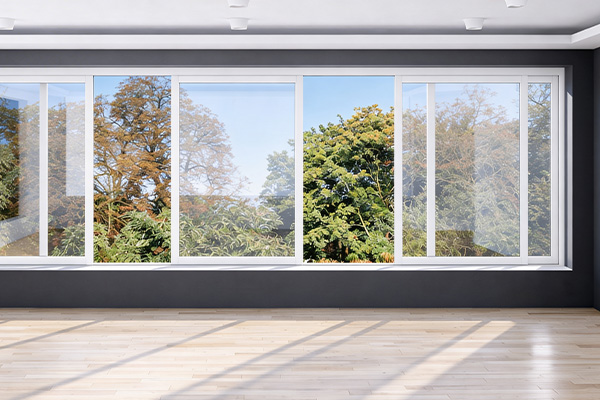 Windows and doors engineered for Indian homes
Walk through any new apartment project in Delhi NCR today and you will notice the same thing: the old aluminium sliders and painted wooden doors are being replaced by slim white (or wood-grain) uPVC frames. The reason is not fashion. It is the Indian climate, which punishes every other material: 45°C summers, monsoon humidity, dust, traffic noise and termites.
But here is what most buyers learn too late: two uPVC windows can look identical and perform completely differently. The difference sits inside the frame, in the uPVC profile. This guide covers both products, uPVC windows and uPVC doors, and shows you how to judge profile quality before you spend a rupee.
What Is a uPVC Profile, and Why Does It Matter More Than the Brand Sticker?
uPVC stands for unplasticised polyvinyl chloride, a rigid material with no softening additives. A uPVC profile is the extruded section from which every sash and frame is cut and welded. Three things inside that section determine how the window or door behaves for the next 20 years:
Multi-chamber design
Hollow chambers trap air. More well-designed chambers mean better heat and sound insulation.
GI steel reinforcement
A galvanised steel core inside the main chamber stops the frame flexing under wind load and large glass panels.
Indian-climate compound
UV stabilisers and impact modifiers keep the colour from yellowing in harsh sun and prevent brittleness in winter.
Tap a part of the profile, or a button, to see what it does.
This is why people searching for the best uPVC profile in India should ask about the compound and wall thickness, not just the window design. Duron manufactures multi-chamber, steel-reinforced profiles for fabricators and homeowners, and every batch is tested for dimensions, strength and colour consistency before dispatch.
uPVC Window and Door Types
uPVC Windows
Casement Kitchens · Bathrooms
Hinged on one side and opens fully, giving more ventilation per sq ft than sliders. Tight seal for dust and noise.
Sliding Bedrooms · Apartments
The most common type in India. No swing space needed, easy to operate, ideal for street-facing rooms.
Tilt & Turn High-rise homes
Tilt for safe, rain-resistant ventilation or turn fully open. Outer glass can be cleaned from inside.
French Balcony-facing rooms
Floor-to-ceiling double panels that open from the centre and bring in plenty of light.
Fixed Stairwells · Façades
No moving parts, so nothing to leak or rattle. Maximum light, complete sealing against noise and dust.
Combination Villas · Wide openings
A fixed panel plus a sliding or casement section in one frame for wide openings.
Sliding windows suit most bedrooms and living rooms because they need no swing space. Casement and tilt-and-turn windows seal tighter, so they are the better pick for kitchens, bathrooms, and any room facing a busy road. If you are comparing the three, read our guide on tilt and turn vs sliding vs casement windows, or the full list of types of uPVC windows. Deciding between track options? See 2-track vs 3-track sliding windows.
uPVC Doors
Casement Entrances · Bedrooms
India’s most common door type. Hinged, reliable, with multi-point locking for real security.
Sliding Balconies · Patios
Panels glide on roller hardware, so no swing clearance is needed. Large glass brings in daylight.
French Living rooms · Terraces
Two fully glazed panels opening from the centre for a wide, elegant opening.
Folding / Bi-fold Restaurants · Showrooms
Hinged panels fold and stack to the side, opening an entire wall.
Main Entry Lobbies · Security
Heavily reinforced profiles for heavy-duty multi-point locks and access control.
Tilt & Turn High-rise balconies
One handle, two modes: tilt for wind-safe ventilation, turn for full opening.
Casement doors are the everyday choice for bedrooms and entrances. Sliding doors win on balconies where a swinging leaf would collide with furniture. More on uPVC door frame types and sliding door options for balconies and bedrooms.
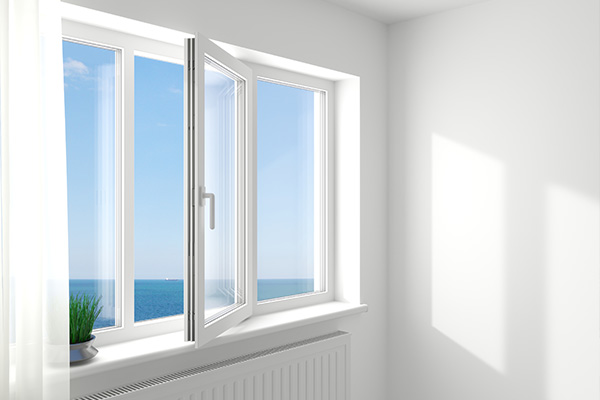 Windows: tight seal, quiet rooms
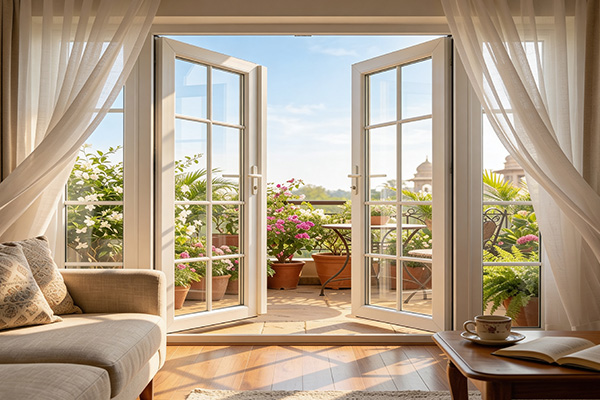 Doors: secure and weatherproof
Tap any photo to view it full-size.
uPVC vs Aluminium vs Wood: The Honest Comparison
For most homes, the question uPVC vs aluminium windows comes down to comfort and running cost. An aluminium frame is a thermal bridge, so it carries outdoor heat straight into the room. Read the full breakdown in uPVC vs aluminium windows and the three-material cost and durability comparison.
uPVC Window and Door Price per Sq Ft in India (2026)
These are market ranges. Profile grade moves the price most, followed by glass (double glazing adds roughly ₹150-400 per sq ft), hardware, and your city. Installation is usually quoted separately. Detailed breakdowns: uPVC window price per sq ft and uPVC doors price in India.
How to Choose the Best uPVC Brand or Profile Manufacturer in India
Searches like top 10 uPVC brands in India or best uPVC windows brand in India return long listicles, but a ranking cannot tell you whether a profile suits your balcony in Gurugram. Use this checklist instead, and apply it to any manufacturer, including us:
- Ask for the profile section drawing. Count chambers and confirm there is steel reinforcement in the structural chambers.
- Check wall thickness and weight per metre. Thin walls save the supplier money and cost you durability.
- Look for independent test certificates, not self-declared claims.
- Confirm the compound is built for Indian heat and UV. Profiles designed for European summers can discolour here.
- Verify the fabricator. A great profile welded and sealed badly still leaks. Prefer certified fabricators.
- Insist on branded hardware and multi-point locking for doors and tilt-and-turn windows.
- Compare the full installed cost, including glass and sealing, not just ₹/sq ft.
For a wider market view, see our guides on the top uPVC door and window profile manufacturers in India and the best uPVC windows brands in India. Duron is a Gurugram-based profile manufacturer with 20+ years in the industry, supplying certified fabricators across India. Not sure which profile you need? Talk to our team or learn more about Duron.
uPVC Doors and Windows in Delhi NCR
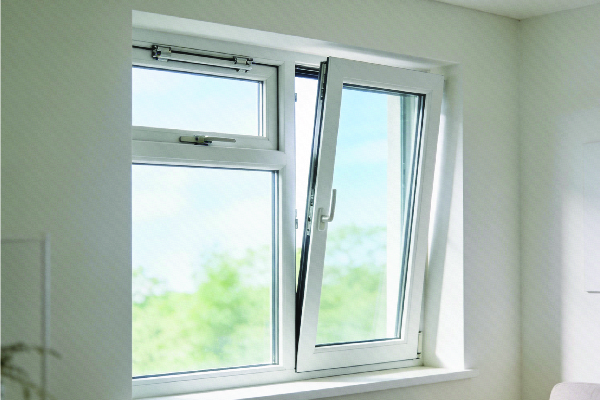 Tilt-and-turn windows: safe ventilation for high-rise Delhi NCR homes
Delhi is the toughest test for any window: peak summers above 45°C, cold foggy winters, fine dust and heavy road noise. That is why tight-sealing casement or tilt-and-turn windows with double glazing are the usual recommendation for street-facing rooms. A double-glazed unit can reduce the heat and noise entering a room considerably, which means lower AC bills and better sleep.
Looking for the best uPVC doors and windows in Delhi? Start with our New Delhi page. We also serve Gurugram, Noida, Ghaziabad, and cities such as Kolkata and across Kerala. See all locations.
Quick answer: For most Indian homes, choose multi-chamber, steel-reinforced uPVC; use sliding units for compact rooms and balconies, casement or tilt-and-turn for kitchens and noisy rooms; and add double glazing in Delhi NCR street-facing rooms. Browse
uPVC windows or
uPVC doors.
Frequently Asked Questions
What is a uPVC profile?
It is the extruded multi-chamber section from which uPVC window and door frames and sashes are made. Its design, wall thickness, reinforcement and compound decide the product’s insulation, strength and lifespan.
Which is the best uPVC profile in India?
There is no single answer for every project. Judge a profile on chamber design, steel reinforcement, wall thickness, UV-stabilised compound, test certificates and the quality of the fabricator who will make your windows.
Are uPVC windows better than aluminium for homes?
For most homes, yes: better insulation, quieter rooms and no maintenance. Aluminium is preferred mainly for very slim sightlines on large commercial facades.
How long do uPVC windows and doors last?
Quality, properly installed uPVC windows last 20-30 years and doors 20-25 years in Indian conditions.
What is the price of uPVC windows and doors per sq ft?
Windows range from about ₹300 to ₹1,500+ per sq ft and doors from about ₹400 to ₹1,400+, depending on profile grade, glass, hardware and city.
Do you supply uPVC doors and windows in Delhi?
Yes. Duron works with certified fabricators across Delhi NCR, including Gurugram, Noida and Ghaziabad. Share your requirement on the contact page.